-
Feedback
- It was a wonderful experience ! The Great Wall is awesome... and judie was a masterful guide, wonderful !! John was an excellent driver, very crusteruo. Thank you for setting up such a great tour. Susie Was a Great Guide. Give us EveryThing We Wanted to Know. All Arrangement Went Smooth. Mr.Judie Was Good Driver. He Help Everyone In & Out of Van, Good Restaurant & Hotel service. Anton Christopher Grindl
- see more feedback
Discover BeijingParent CategorySite
Xuannan Culture Museum
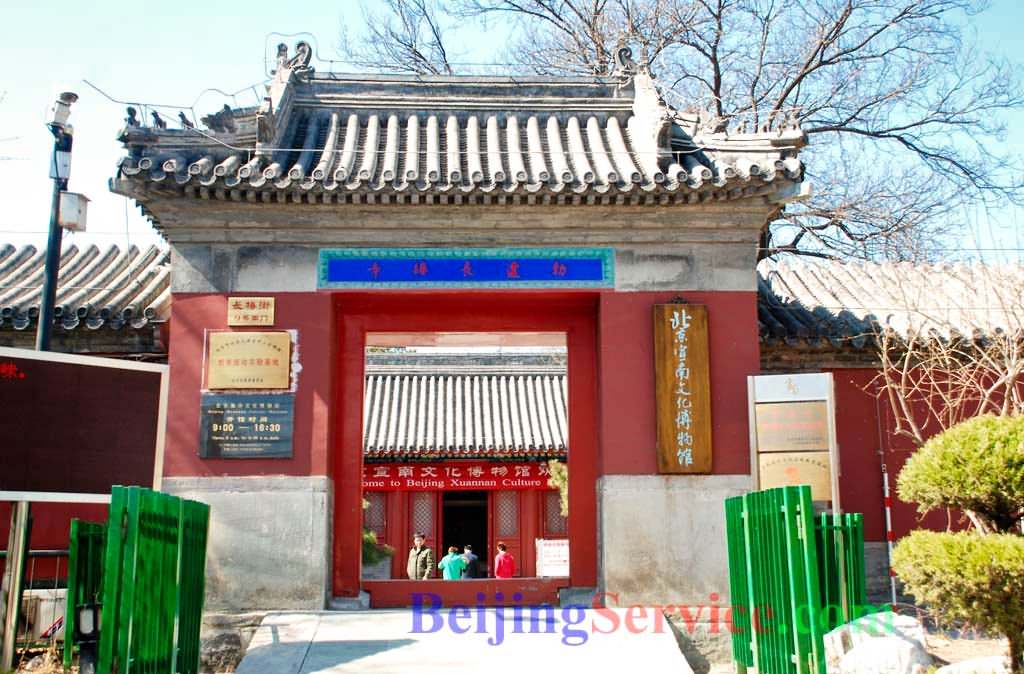
- Xuannan Culture Museum is a culture museum to show the ancient capital style of Beijing. The predecessor of the museum is Changchun Temple, which was first built by the emperor Shenzong in Ming dynasty for his mother. It was called the first temple in the capital at that time.
Profile
- ID : 35
- City : beijing
- English name : Xuannan Culture Museum
- Chinese name : 宣南文化博物馆
- Type : Museum,
- Level : easy
- Kids : Possible
- Elders: Suggested
- Best season : All seasons
- Visiting length : about 2 hours
- Distance to city center : 5 km
Introduction of Xuannan Culture Museum
- Located in Changchun Street, the predecessor of Xuannan Culture Museum is Changchun Temple. Changchun Temple was first built by the emperor Shenzong in Ming dynasty for his mother. Changchun was taken for longevity. In the year 2002, it was renovated into a culture museum with both the exhibition halls indoor and outdoor and the culture relic itself. It opened to the public in 2005 and became a beautiful landscape to show the ancient capital style of Beijing.
Photo of Xuannan Culture Museum

Highlights of visiting Xuannan Culture Museum
-
The Exhibition Hall of Chinese Drama, The Exhibition Hall of Capital Folk Music, The Exhibition Hall of Capital Business, old Beijing culture
Helper to visit Xuannan Culture Museum
- Address in English : No.9 Changchun Street, Xicheng District, Beijing, China
- Address in Chinese : 北京市西城区长椿街9号
- Tel : +8610-63015413
- Post code : 100032
- Ticket time : 09:00 - 16:00
- Open time : 9:00 - 16:30
- Closing time : Monday
- Location : Xuannan Culture Museum is around 5 km to downtown beijing
- Subway: Subway Line 2 at Changchun Station.
- Public bus:
- Bus No.5, 6, 57, 109, 381, 613, 715, 717, 743, 822, 853 at Niujie Crossroad West.
- Bus No.10, 38, 626, 853 at Xuanwu Hospital Station.
- Private car is the best method to visit Xuannan Culture Museum with local tour operator.
Transportation
Admission
- high season : 0 RMB/person.
- shoulder season : 0 RMB/person.
- low season : 0 RMB/person.
Hotel near Xuannan Culture Museum
- 5 star/duluxe hotel
- JW Marriott Hotel Beijing Central
- 4 star/superior hotel
- Shangda International Hotel
- The Merchantel Beijing
- CTS Hong Kong Grand Metro Park Hotel
- 3 star/comfort hotel
- Xunwumen Hotel
- Qinglian Furun Hotel (Caishikou)
- Why got its name
- Xuannan Cultural Museum was first called Changchun Temple. It was built in 1592 by Ming Shenzong for his birth mother Queen Li. Emperor Wanli titled it Changchun, which means healthy and long-lived. It was called the first temple in the capital at that time.
- Main Exhibition Halls of Xuannan Culture Museum
- The Exhibition Hall of the History of Xuannan Three thousand years earlier, our ancestors lived in this plain around with mountains and water. Dynasties changed and passed, which played their own roles and histories of ancient Beijing. Xuannan is just the one that we cannot forget.
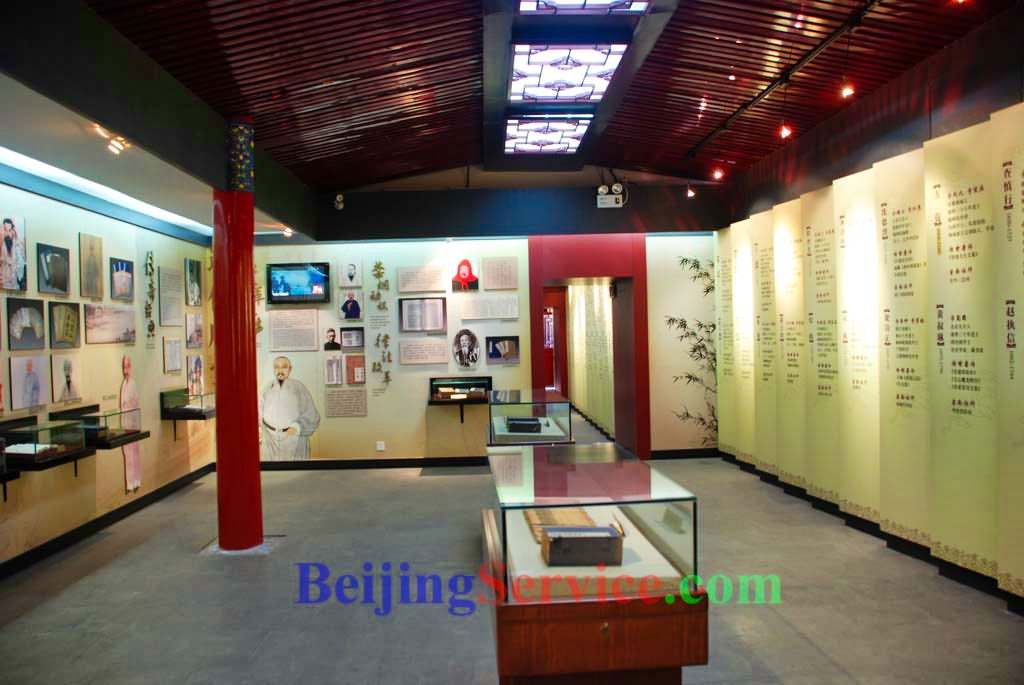
- The Exhibition Hall of the Scholar Town of Xuannan The scholar culture of Xuannan rose in Ming Dynasty and bloomed in Qing Dynasty. With the prosperity of royal examination, scholar candidates from different provinces gathered in the south of Capital Beijing. During the prosperous period of Kangxi and Qianlong, scholars were gathered together to do history compilation. Till the compilation of Siku Quanshu, scholars from the whole country got their way to the government and the extensive dynamic academic atmosphere and literary environment were formed. That had created special space for the culture prosperity.
- The Exhibition Hall of Hero Prints On this land, many revolutionary pioneers had been looking for the way to nation revitalization and left their prints of life and fighting.
- The Exhibition Hall of Chinese Drama Chinese drama has passed eight hundred years and was listed top three classical dramas in the world. The birth and development of Beijing Opera had close relationship with Xuannan. Generations of Beijing Opera Maestros lived here and hundreds of Beijing Opera actors grew here. Xuannan is surely called the Town of Beijing Opera.
- The Exhibition Hall of Capital Folk Music Beijing custom culture and folk art are valid and fresh. Changdian and Tianqiao are logos. They are the featured brands of Xuannan Culture.
- The Exhibition Hall of Capital Business At the beginning of Ming Yongle Dynasty, shops were set in the business prosperous area. In Qing dynasty, South town of Beijing had become the must place to go to Beijing city for those officers, scholars and businessmen. Then various types of business area were formed. And today, many old but famous brands were still stands there to show Xuannan culture. Dashila, Caishikou, Liulichang, Tianqiao are all full of their own feature.
- The Exhibition Hall of Chinese Nations Niujie Street area is the historical gathering place of minority-inhabited area. Hundreds of years later, different Chinese nations lived harmoniously together here and they wrote the beautiful page of Xuannan culture.
More Photos
Toolkits
Link to Page of Xuannan Culture Museum
Beijingservice team provides deep information related with Xuannan Culture Museum. Please link to this pae if you like the information.- Xuannan Culture Museum
- Xuannan Culture Museum is a culture museum to show the ancient capital style of Beijing. The predecessor of the museum is Changchun Temple, which was first built by the emperor Shenzong in Ming dynasty for his mother. It was called the first temple in the capital at that time.
- https://www.beijingservice.com/attractions/xuannan-culture-museum.htm
- Courtyard of Xuannan Culture Museum
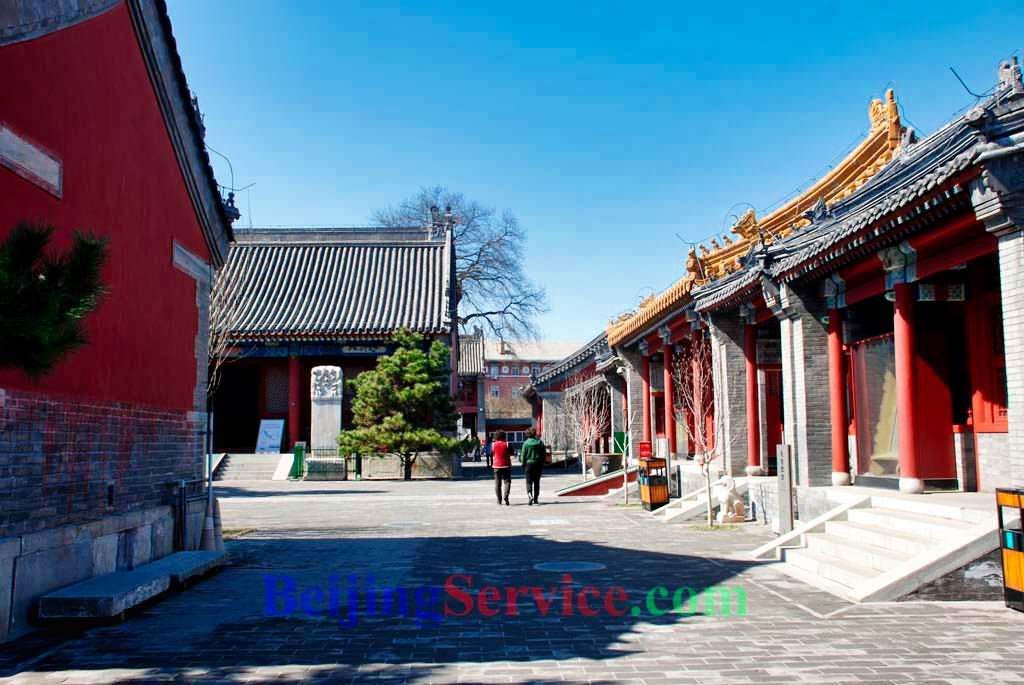
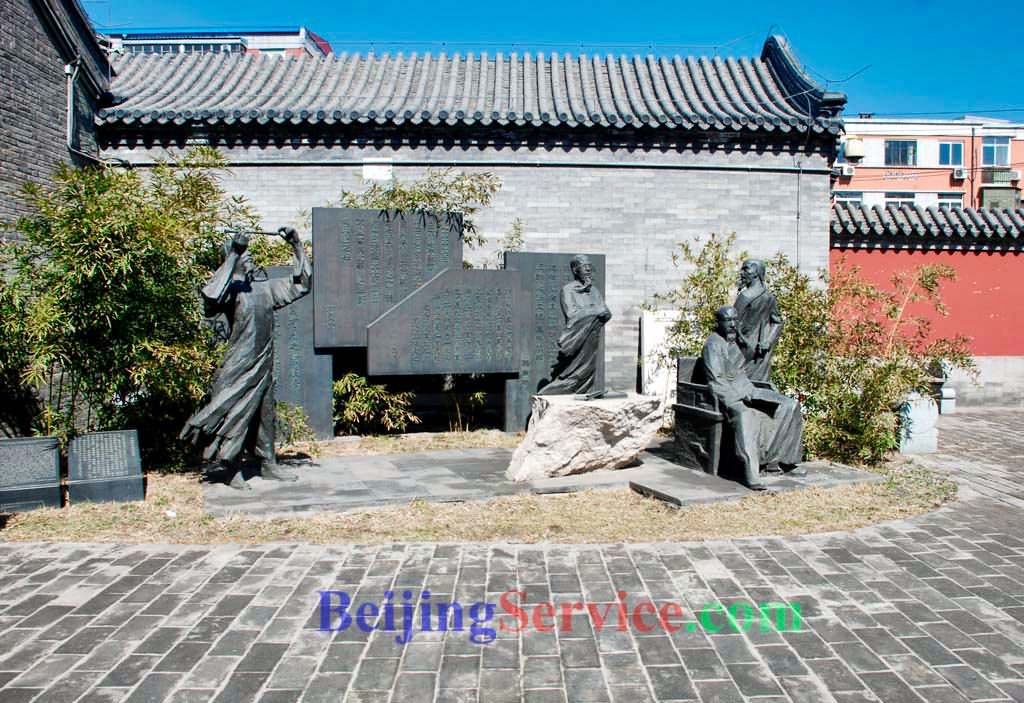
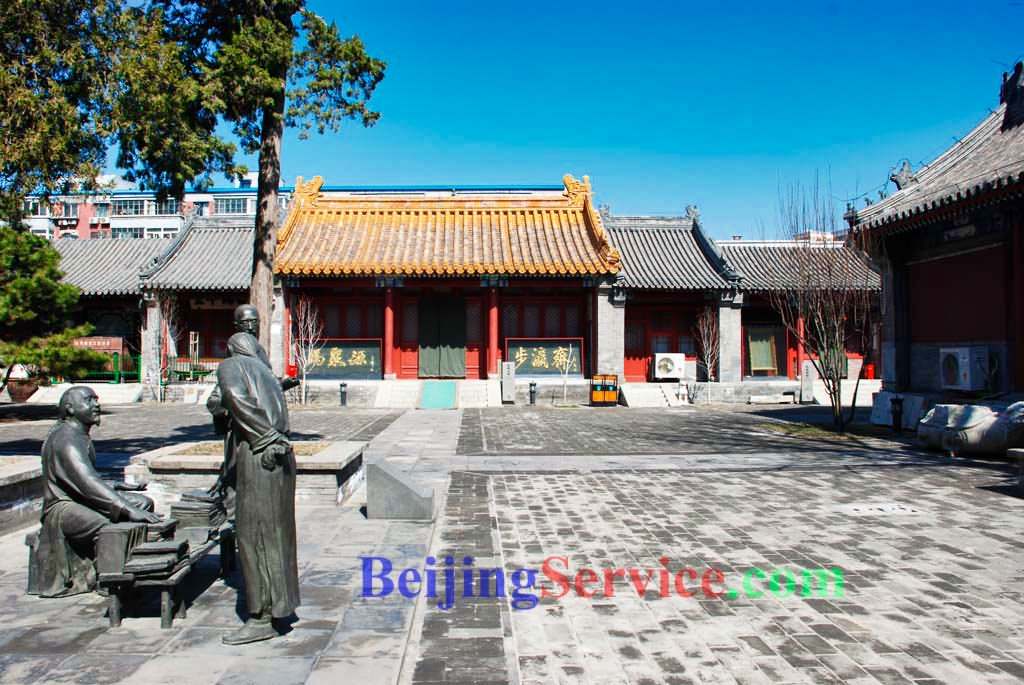
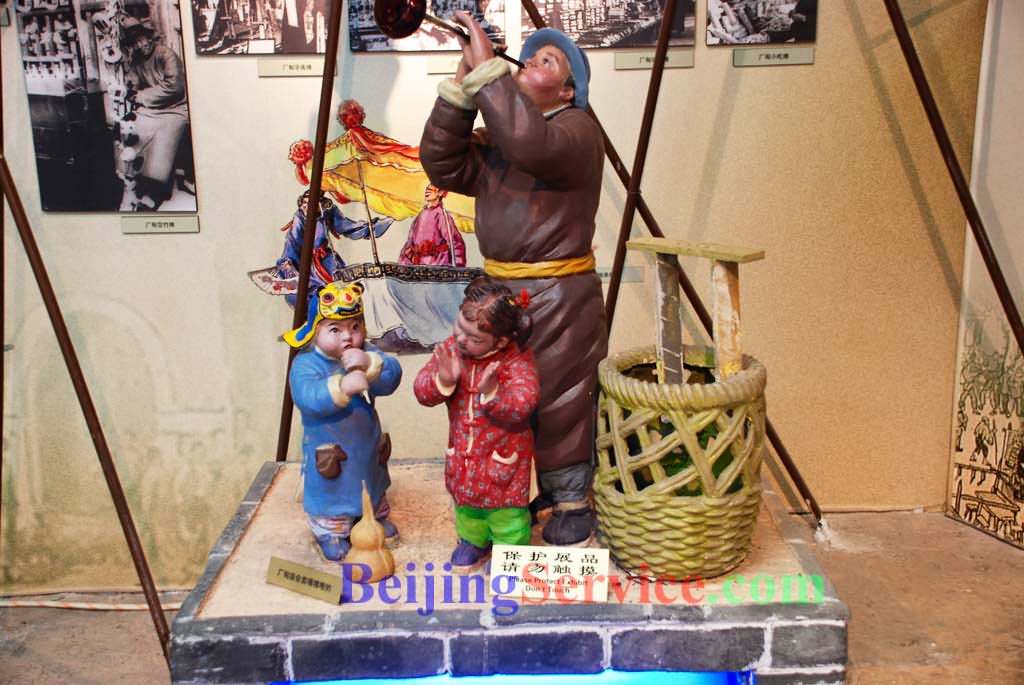
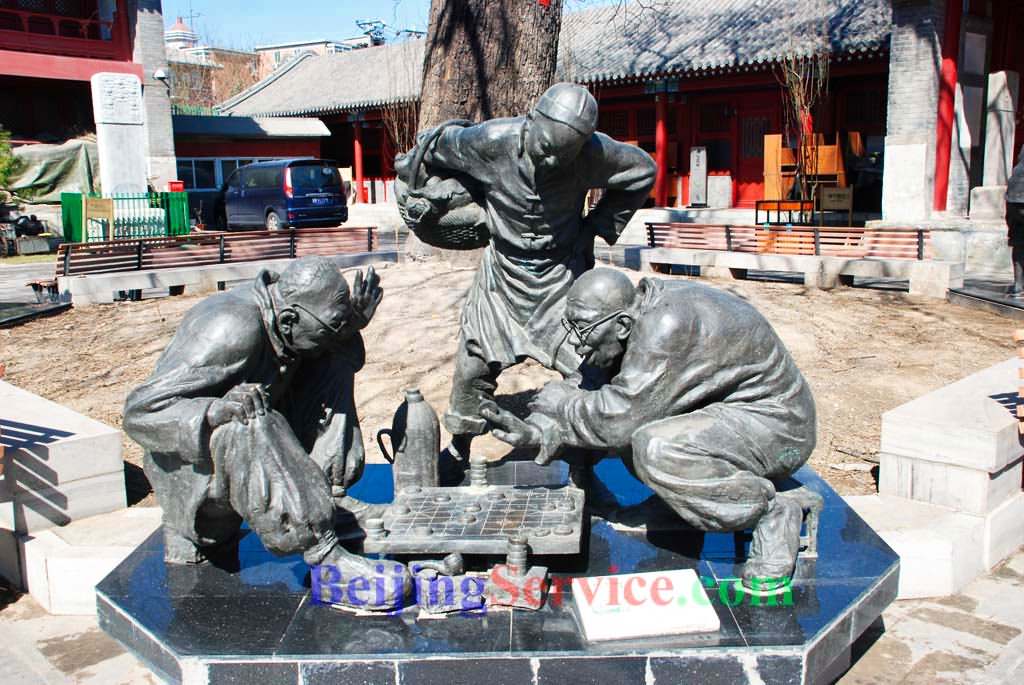
- Besides the eight exhibition halls, the spacious and quiet courtyard of the Xuannan Culture Museum provides another space for the display of Xuannan culture. There is a 500-year-old tree before the Sutra Collection Pavilion. Around the old tree, four groups of bronze sculptures, presenting playing chess, selling watermelon, making dough figures and visiting temple fair, showing the leisure ways of the old Beijingers in the four seasons. The two groups of sculptures in the front courtyard themed on "no-smoking motion from Xuannan" and "the Scholars searching books" are vivid and lifelike, forming a unique cultural landscape. According to historical records, there was a precious permeability gold - pagoda in the Sutra Collection Pavilion of Changchun Temple. The pagoda is now in the Wanshousi Art Museum, but the base of the pagoda remains in the Sutra Collection Pavilion. In the process of repairing the Changchun Temple, the staff accidentally discovered the stone tablet recording the details of the pagoda. Today, this tablet still stands in front of the Grand Hall, witnessing the vicissitudes of Changchun Temple.